
Menopause Weight Gain: Real Solutions That Work
28 August 2026
You've kept your meals broadly the same, continued walking, and perhaps even reduced your wine, yet your jeans feel tighter around the waist. The scale may have moved only modestly, but your shape has changed in a way that feels disproportionate to your habits. For many women, this is the frustrating reality of perimenopause and menopause.
Midlife weight gain is common, but its size and cause vary, and it is not a simple story about discipline. The British Menopause Society guidance offers practical nutrition and weight-management advice. However, the underlying longitudinal literature reports average midlife gain closer to 0.7 kg per year, not 1.5 kg per year, and does not support a universal 10 kg gain by menopause. SWAN and Healthy Women's Study evidence suggests that ageing and lifestyle contribute substantially to scale-weight change, while the menopausal transition is more consistently associated with greater fat gain, loss of lean mass and a shift towards abdominal fat storage.
The more useful question is not “How do I lose weight?” It's, “What has changed in my body composition, and how can I measure it?” That shift brings oestrogen, muscle, resting metabolic rate, sleep, nutrition and clinical testing into the same conversation.
Table of Contents
- When the Scale Creeps Up Despite Doing Everything Right
- The Hormone Story Behind Midlife Body Change
- Is It Menopause or Just Getting Older
- Why Your Metabolism and Muscle Mass Quietly Shift
- Evidence-Based Habits That Actually Move the Needle
- Using DEXA and RMR to Replace Guesswork With Data
- HRT and Other Clinical Conversations Worth Having
- Your Starting Point and the One Metric to Track First
When the Scale Creeps Up Despite Doing Everything Right
A woman in her late forties may arrive at an appointment convinced she's failed. She eats similar portions to those she ate in her thirties, walks regularly, and has become more careful with alcohol. Over two years, the scale has risen by a few kilograms, but the most obvious change is around her middle. Her legs and arms may look much the same, while trousers no longer fasten comfortably.
That pattern doesn't automatically mean she's eating too much. It may reflect a change in the ratio of fat to lean tissue, alongside a redistribution of fat towards the abdomen. NHS guidance describes weight gain during perimenopause and menopause as common, with fat often distributed around the stomach and upper body (NHS menopause symptoms guidance).
Why the scale gives an incomplete answer
Body weight combines fat, muscle, bone, water and other tissue. It can therefore remain relatively stable while fat mass increases and lean mass decreases. The opposite can also happen. A person can become stronger, preserve muscle and reduce waist size without seeing rapid movement on the scale.
This is why a smaller food intake isn't always the most intelligent first response. Cutting harder can make it more difficult to protect muscle, particularly when sleep is disrupted and recovery is poorer. A plan that focuses only on weight may miss the change that matters most, central fat accumulation.
The practical reframing: menopause changes the conditions under which your old routine worked. It doesn't prove that you've become careless.
The biological problem this article addresses
The central issue is often an interaction between energy balance, body-composition change, ageing and the menopausal transition. Changing oestrogen exposure is associated with fat redistribution and changes in lean tissue, while stress, activity, sleep, medication and food intake can also influence weight and appetite. Blaming everything on either hormones or willpower creates false certainty and gives women no useful way forward.
The solution is to assess what's changing. Waist measurement offers an accessible starting point. Resistance training, adequate protein and better recovery provide practical levers. Where uncertainty remains, DEXA and resting metabolic rate testing can show whether the main priority is reducing fat, protecting lean mass, or both.
The Hormone Story Behind Midlife Body Change
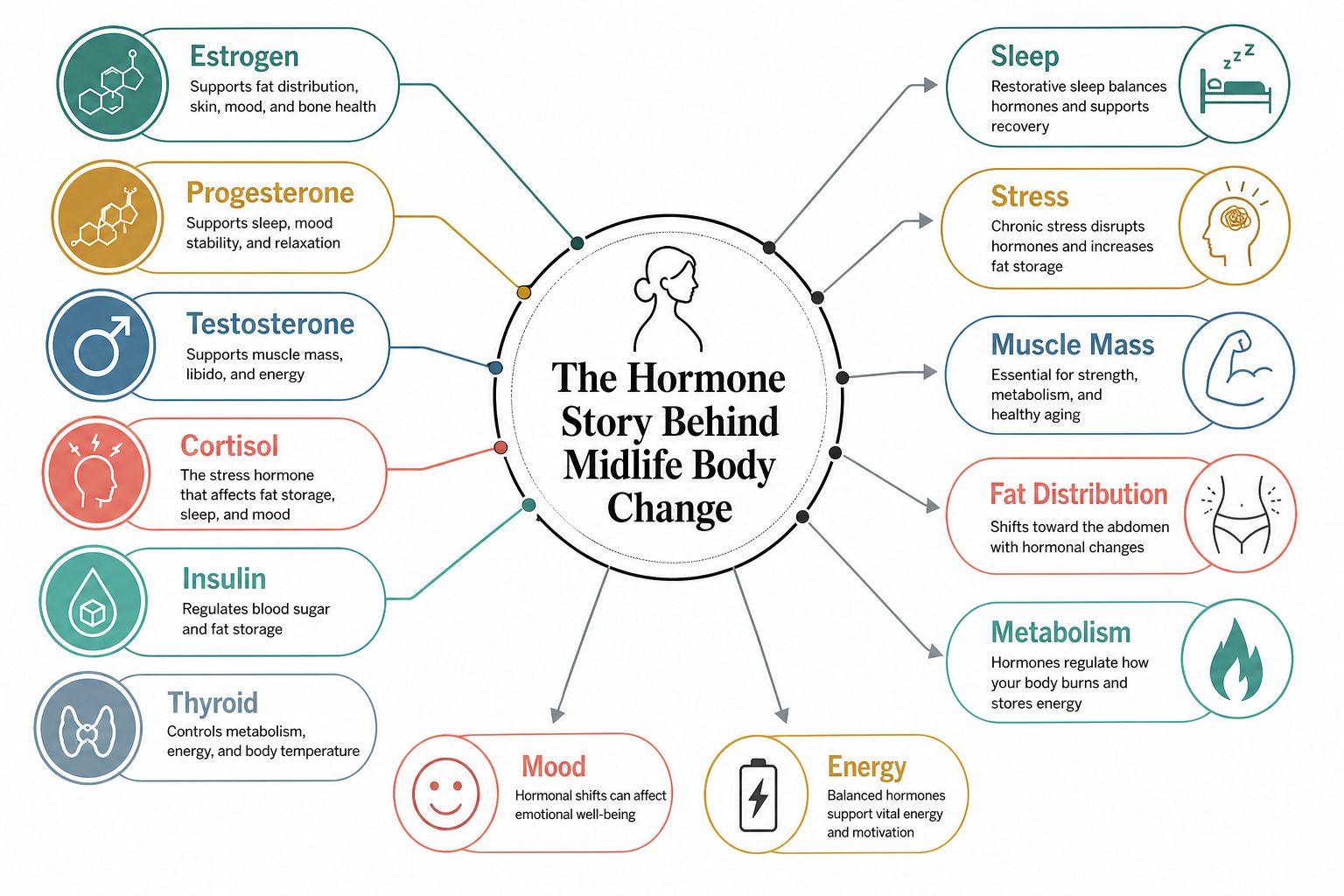
Oestrogen affects much more than reproductive health. During the menopausal transition, changing oestrogen exposure is associated with where fat is stored, insulin sensitivity and the maintenance of lean tissue. The effects vary between individuals and interact with ageing, activity and diet. They are biological influences, not signs of poor character.
Fat distribution changes
Before the transition, oestrogen is associated with a greater tendency to store fat subcutaneously around the hips and thighs. As oestrogen falls, fat storage often shifts towards the abdomen. NHS guidance and the British Menopause Society both identify the stomach and upper body as common areas for menopause-related weight gain (NHS menopause guidance, British Menopause Society clinician tool).
That distinction matters because abdominal fat includes fat stored deeper within the abdomen. You can't judge its amount reliably by looking in the mirror or stepping on scales. A widening waist can be a more informative signal than a small change in total weight.
Glucose handling can feel different
Oestrogen is involved in glucose regulation, and insulin sensitivity may change across the menopausal transition. This does not mean that an individual symptom after a carbohydrate-rich meal proves insulin resistance, or that carbohydrates should be avoided. Meal composition, fibre, protein, portion size, activity and any relevant blood-test results provide more useful guidance.
Pairing carbohydrate with protein and fibre can make meals more filling and steadier for many people. A practitioner can also assess blood glucose and other metabolic markers when symptoms or risk factors warrant it.
Muscle needs a stronger signal
Oestrogen interacts with processes involved in muscle repair and maintenance. As that support changes, preserving lean tissue may require a more intentional stimulus, especially resistance training combined with sufficient protein.
The message isn't that hormones determine your outcome. It's that the same effort may produce a different response, so the levers need adjusting. Strength work supports muscle. Protein supplies building material. Sleep supports recovery. HRT may be appropriate for symptom management for some women, but it isn't a substitute for these foundations.
Is It Menopause or Just Getting Older
A woman may notice a larger waist, tighter clothes and slower recovery even though her routine has barely changed. “It's just ageing” sounds plausible, but it is too blunt to guide care. Ageing can affect muscle, activity, recovery and energy use. The menopausal transition is also linked with a more noticeable shift towards central fat storage. Treating both processes as identical dismisses her experience, while blaming menopause for everything creates false certainty.
A longitudinal analysis from the UK Women's Cohort Study shows why body composition matters. Among the postmenopausal participants followed, mean weight increased by 1.2 kg over a mean of 4.1 years, while mean waist circumference increased by 6.7 cm. Abdominal obesity rose from 7.7% to 24.4%, and the proportion who were overweight or obese rose from 32.3% to 37.5% (Manchester Metropolitan University repository paper). This observational study describes change in a cohort; it does not prove that menopause itself caused each change.
The waist change provides a useful clue. Body weight is a single total. It cannot show whether fat has increased, lean tissue has decreased, or fat has moved towards the abdomen. That distinction matters because two people can gain similar weight while facing very different changes in strength, metabolic health and clothing fit.
Two processes can be true at once
Chronological ageing may make muscle harder to retain and recovery slower. Menopause can change hormonal support for fat distribution and muscle maintenance. At the same time, daily life often shifts: incidental movement may decline, work pressure may rise, and sleep may become less reliable.
| Factor | Primarily Menopause-Driven | Primarily Ageing-Driven | Both Interact |
|---|---|---|---|
| Fat distribution | Greater tendency towards abdominal and upper-body storage | Gradual changes in activity and tissue composition | Hormonal change can amplify an existing tendency |
| Muscle maintenance | Reduced hormonal support for preserving lean tissue | Declining training stimulus or recovery capacity | Protein, resistance training and sleep become more important |
| Glucose response | Hormonal transition can alter metabolic responses | Risk can increase with age and inactivity | Diet, muscle mass and activity influence both |
| Body weight | Gain can occur during the transition | Long-term energy balance changes | Menopause may expose vulnerabilities already developing |
The practical interpretation is balanced: menopause may alter body composition and fat distribution while ageing, activity, sleep, health and food intake continue to influence weight. A personalised assessment should separate those contributors rather than treating every change as inevitable. It should also identify which factors can be changed through training, nutrition, sleep and appropriate clinical support.
Why Your Metabolism and Muscle Mass Quietly Shift
Resting metabolic rate is the energy your body uses to maintain basic functions while at rest. It isn't the same as total daily energy expenditure, which also includes movement, exercise and digestion. When lean mass falls, resting energy needs may fall too, even if your walking routine hasn't changed.
Popular articles often present precise age-based calorie reductions, but those figures can mislead. People of the same age and body weight can have very different lean mass, activity patterns and resting energy needs. A calculator gives an estimate based on averages. It doesn't tell you what your body is doing today.
Why lean mass deserves priority
Muscle is active tissue and supports strength, glucose handling and physical independence. If fat mass rises while lean mass falls, the scale may show only a small net change. Clothing fit and waist circumference can change much more noticeably.
That's the reason a weight-loss plan built around aggressive restriction can backfire. If it removes the stimulus and nutrients needed to maintain muscle, the person may lose more lean tissue while still retaining some of the abdominal fat that prompted the diet. Aggressive restriction can be particularly risky for athletes, people in perimenopause and anyone with a current or previous eating disorder; seek individual advice from a qualified clinician or registered dietitian rather than setting an extreme deficit.
The same principle applies when assessing muscle loss after 40. The appropriate response isn't to assume that every change is inevitable. It's to identify the tissue being lost and build a plan that protects it.
Metabolism needs measurement, not blame
The NHS lists changed body shape and weight gain among possible menopause-related changes (NHS menopause symptoms guidance). These descriptions do not reveal why one individual's weight changed or quantify her resting energy requirement.
That's where an RMR assessment can help. A clinician can combine measured resting expenditure with body-composition data, food intake, activity and goals. The result is more useful than assigning every woman the same calorie target.
For broader context on how hormones, body composition and energy use fit together, hormonal balance for weight loss may help readers compare different explanations. Use it as background, not as a reason to purchase a one-size-fits-all programme.
| Metric | Premenopause | Perimenopause | Postmenopause | What to watch |
|---|---|---|---|---|
| Total weight | May appear stable | Can rise gradually | May remain stable or rise | Don't interpret it alone |
| Waist size | Often reflects baseline shape | May increase as fat redistributes | Can remain a central indicator | Track consistently |
| Lean mass | Supported by activity and hormones | May become harder to preserve | Needs deliberate maintenance | Use strength and protein |
| Resting energy use | Varies by individual | May change with lean mass and activity | Best estimated from current physiology | Consider RMR testing |
Evidence-Based Habits That Actually Move the Needle
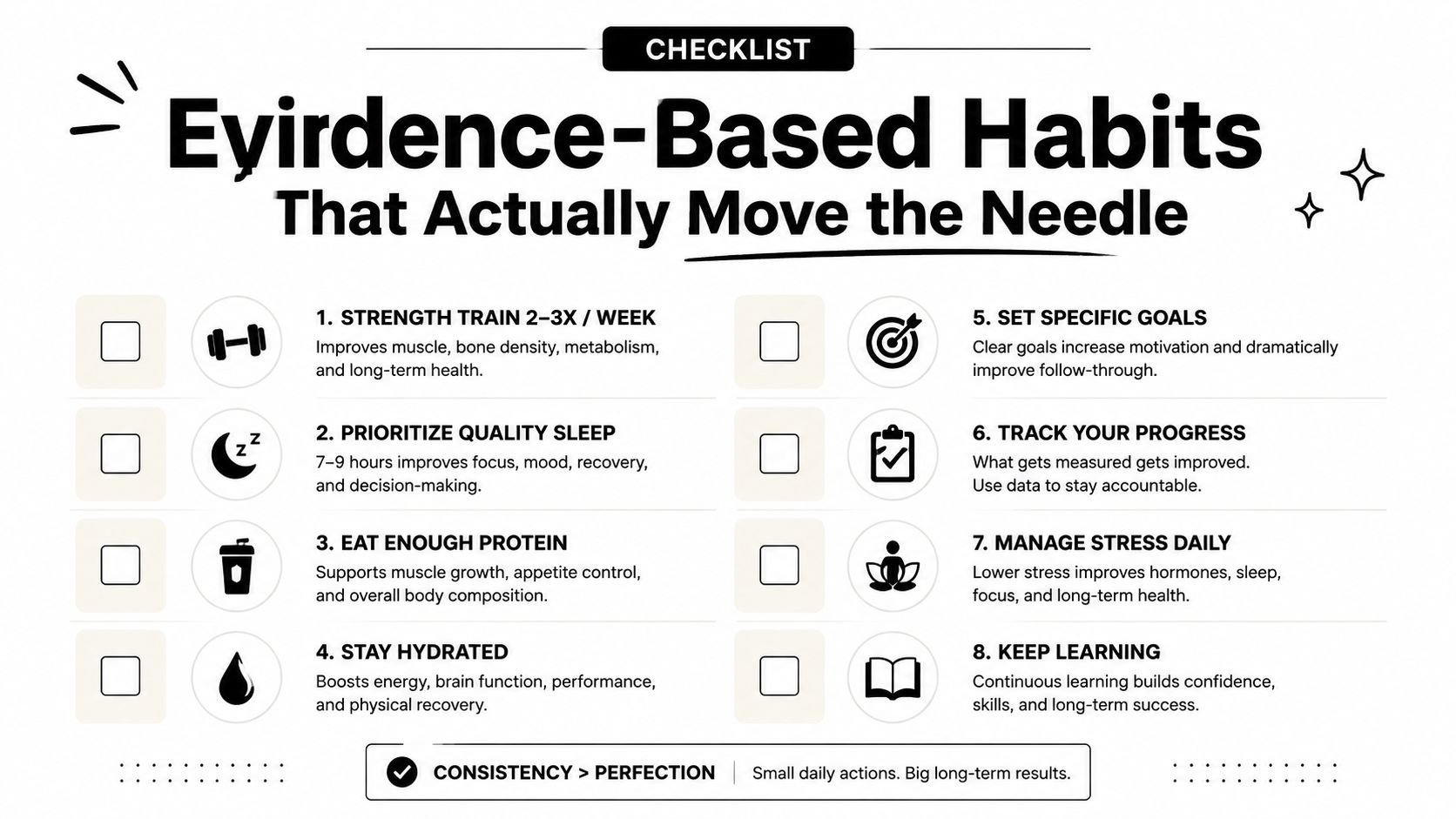
A useful plan has layers. No single food, workout or supplement can reliably compensate for poor sleep, inadequate protein and a lack of resistance training. The aim is not to create a punishing routine. It's to make each habit support the next one.
Start with protein and meal structure
For many healthy, active women undertaking resistance training, 1.2 to 1.6 g of protein per kg of body weight daily is a practical range. Aiming for roughly 25 to 30 g at main meals can help distribute intake, although evidence for that per-meal target is strongest in older adults and it is not a universal menopause prescription. Needs vary with body size, total energy intake, training and health; people with kidney disease or another condition affecting protein intake should obtain individual advice.
Rather than trying to hit the total at dinner, include a clear protein source at breakfast and lunch. Greek yoghurt, eggs, fish, poultry, tofu, tempeh, beans and pulses can all contribute. Protein isn't a licence to ignore overall energy intake, but it can make muscle preservation and appetite management easier.
Make resistance training the centre
Walking remains valuable for health and daily movement, but it doesn't provide the same loading stimulus as strength training. Build sessions around movements such as squats or leg presses, hip hinges, rows, presses and carries. Begin at an appropriate level, then gradually increase resistance, repetitions or control as technique improves.
Aim for consistency rather than exhausting sessions. If you're starting from little or no resistance work, two weekly sessions can establish the habit. A coach or physiotherapist can adjust exercises for joint pain, osteoporosis risk, pelvic-floor symptoms or previous injury.
If you design programmes for other people, an AI that drafts workouts for your clients can help organise ideas, but professional judgement still matters when adapting exercise to menopause symptoms and medical history.
Poor sleep can increase hunger, reduce training quality and make recovery harder. Keep wake times consistent where possible, address night sweats with a clinician, and treat persistent insomnia as a health issue rather than a failure of routine.
Stress regulation doesn't need to be elaborate. A short walk, paced breathing, gentle yoga or a protected period without work can reduce the total load placed on your recovery system.
Using DEXA and RMR to Replace Guesswork With Data
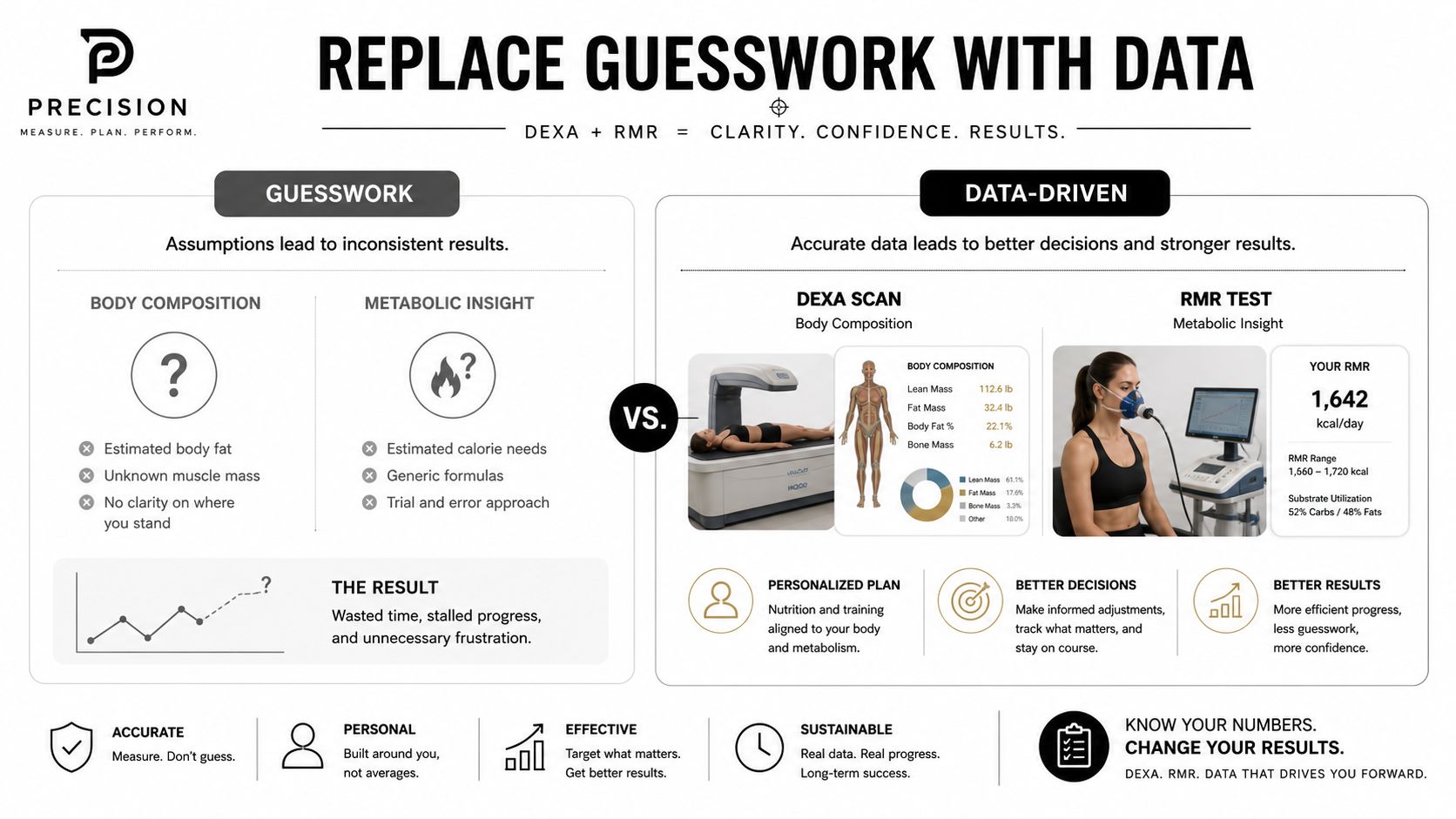
A DEXA scan and an RMR test answer different questions. DEXA asks what your body is made of. RMR asks how much energy it uses at rest. Together, they can replace assumptions based on BMI, bathroom scales or generic online calculators.
What DEXA can show
DEXA, or dual-energy X-ray absorptiometry, estimates total and regional fat mass and lean soft tissue, alongside whole-body bone-mineral measurements. Lean soft tissue is often used as a proxy for muscle, but the terms are not identical. A body-composition scan can show whether stable weight hides a shift in fat and lean tissue; it is not the same examination as a diagnostic hip-and-spine DEXA used to diagnose osteoporosis.
The scan can also provide information about regional fat, including abdominal distribution. That doesn't mean a scan diagnoses every health risk, but it gives a more detailed starting point than weight alone.
A DEXA body-composition scan is a precise, widely used method for estimating fat mass, lean soft tissue and regional distribution. Whole-body bone metrics from this service should not be treated as a diagnostic osteoporosis result, which normally requires appropriate hip-and-spine acquisition and clinical interpretation. DEXA uses a low dose of ionising radiation and is not usually performed during pregnancy, so tell the provider if you are pregnant or might be pregnant.
What RMR adds
RMR testing uses indirect calorimetry to estimate energy expenditure at rest from oxygen consumption and carbon-dioxide production. The result can give a practitioner a better starting point for estimating total daily energy needs and interpreting why a generic target may not fit. RMR is not a minimum safe calorie intake or a complete prescription; activity, the thermic effect of food, goals, sleep, medication and health conditions must also be considered.
| Test | Main question | Useful for | What it cannot do alone |
|---|---|---|---|
| DEXA | What is my body made of? | Fat mass, lean mass, bone density and regional distribution | Explain daily energy needs |
| RMR | How much energy do I use at rest? | Personalising nutrition estimates | Show where fat or muscle is located |
| Waist measurement | Is my central size changing? | Accessible trend monitoring | Quantify visceral fat directly |
Testing is most useful when it changes a decision. A baseline can clarify whether you should prioritise muscle gain, fat reduction, or both. A later reassessment can show whether the plan changed tissue composition rather than merely producing temporary scale movement.
Clinical testing can sit within a broader clinical assessment service, particularly when you want objective information interpreted alongside your symptoms, training and medical history. Testing isn't compulsory. It's valuable when uncertainty is preventing a sensible plan.
HRT and Other Clinical Conversations Worth Having
HRT shouldn't be sold as a weight-loss treatment. Its primary role is to treat menopause symptoms, such as vasomotor symptoms, sleep disturbance and mood changes, when it's clinically suitable. Better sleep and symptom control may make healthy eating and training more manageable, while oestrogen may have a modest influence on central fat and lean-tissue preservation, but HRT doesn't cancel out energy balance or replace resistance work.
A good GP appointment starts with your history. Discuss personal and family history of breast cancer, thromboembolism and cardiovascular disease, current symptoms, migraine history, blood pressure, medications and your preferences. The route of delivery, including transdermal or oral options, should be selected with a clinician rather than based on social media advice.
Timing is also a risk-benefit discussion, not an eligibility cut-off or a guarantee. For otherwise healthy people using HRT to treat menopause symptoms, guidance commonly describes a more favourable overall risk-benefit profile when treatment starts before age 60 or within 10 years of menopause. Individual symptoms, contraindications, preferences and clinical history remain decisive. Ask what benefits are realistic, what monitoring is needed and when the plan should be reviewed.
Check for non-menopause contributors
Weight change can have more than one cause. Ask whether thyroid testing, ferritin, vitamin D, glucose markers or a medication review is appropriate. SSRIs and beta-blockers can affect weight in some people, so don't stop prescribed medication independently. Ask your prescriber whether an alternative or adjustment is suitable.
Some women also explore medical weight-management options. A resource discussing Weight Method telehealth weight loss may help you understand how GLP-1 treatment is framed in menopause, but any medication decision needs a properly qualified clinician who can review risks, benefits and suitability.
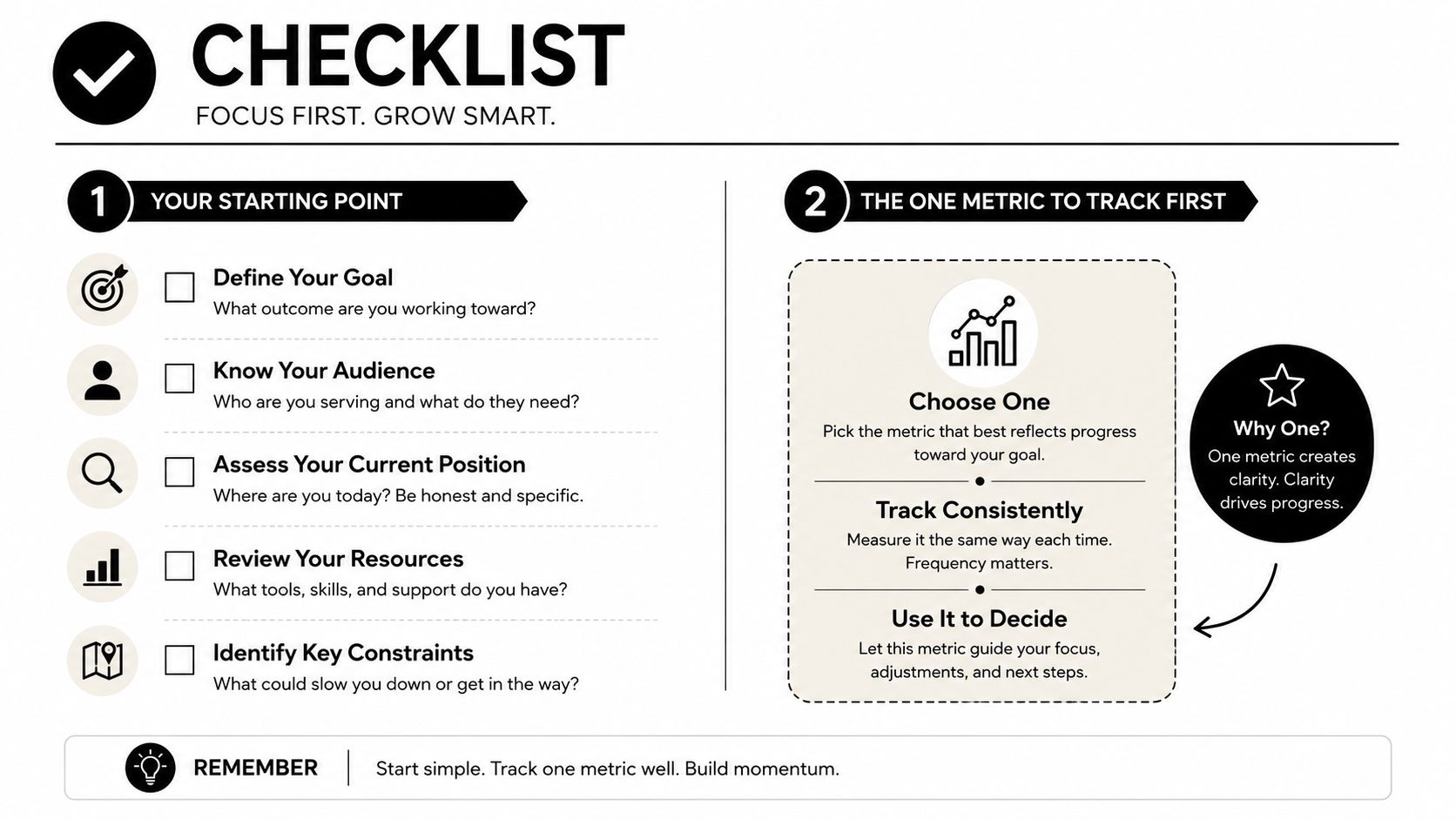
Your Starting Point and the One Metric to Track First
You may be eating and exercising as usual, yet notice tighter clothing and a rising waist measurement. Before changing everything, establish a baseline. Waist circumference is a practical first metric because it adds information about central change to your weight, strength and clinical data.
Measure halfway between the lowest rib and the top of the hip bone. Use the same tape, posture and conditions each time. Keep the tape level and resting against the skin without pulling it tight. Record the result monthly, rather than treating daily fluctuations as meaningful trends.
Waist circumference cannot show exactly how much visceral fat is present, but it offers an accessible indication of central adiposity. It also helps separate scale weight from body-composition change. A stable weight with a larger waist, for example, may point to a different pattern from weight gain accompanied by improving strength and preserved lean mass.
A focused first month
- Book appropriate bloodwork. Ask your GP or clinician whether thyroid function, ferritin, vitamin D, glucose markers and a medication review fit your symptoms and history.
- Establish your baseline. If feasible, use DEXA to assess fat, lean mass and bone density, and RMR testing to estimate resting energy use. If testing is not accessible, begin with waist measurement, strength records and symptom tracking.
- Schedule two resistance sessions weekly. Choose manageable full-body exercises and record what you do. Progress gradually, rather than chasing exhaustion.
- Set a protein target. A daily range near 1.2 to 1.6 g per kg of body weight may suit many women, but your medical needs should guide the final target.
- Protect sleep. Aim for roughly seven to nine hours when possible. Seek help for persistent insomnia, severe night sweats or suspected sleep apnoea.
For the calculations behind resting energy use, follow this guide on how to calculate RMR. RMR is an input, not a verdict. Monthly waist readings, strength progression, energy and symptoms create a more useful picture of whether your body composition is changing in the desired direction.
The content in this article is for educational purposes only and does not constitute medical or dietary advice. If you have an underlying health condition, are taking medication, or are considering significant changes to your diet or exercise regimen, consult a qualified healthcare professional before making any adjustments.
If menopause weight gain has left you guessing, visit Telomyx to explore mobile DEXA body-composition and RMR testing across the North West. Objective data can help identify whether your next priority is reducing central fat, protecting lean mass, or adjusting nutrition around your resting metabolism.